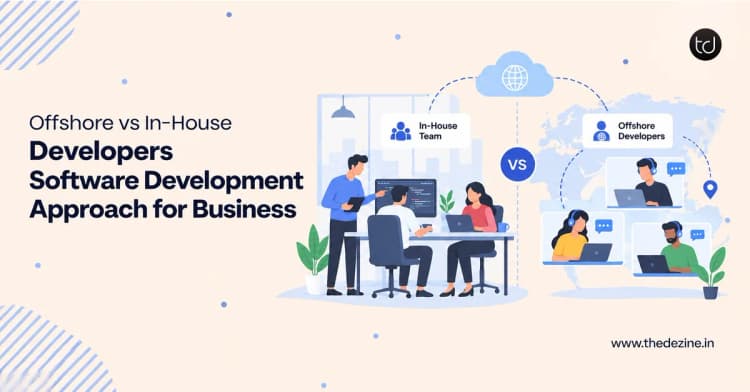

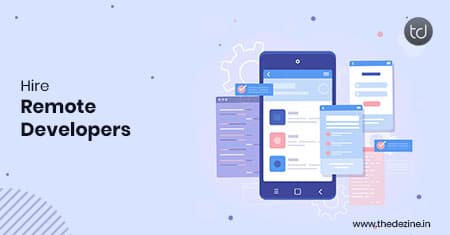
Remote product teams are no longer an emergency plan. They are how many of the best digital products get built: specialists in design, mobile, and backend collaborating across time zones with a shared process.
Why remote development works
Access to talent is the obvious benefit. The quieter benefit is focus. A well-run remote team documents decisions, demos weekly, and ships in smaller, safer increments — which is exactly how complex apps should be built.
- Access to senior engineers without relocating an entire team
- Coverage across time zones for support and release windows
- Lower overhead with the same design and engineering standards
- Faster scaling when a product needs a specialist for a sprint
What a good remote engagement looks like
The difference between a scattered contractor setup and a real partner is process. We work with a single product owner, a shared backlog, and design reviews that happen before code is written — not after.

Mobile and web, built together
Remote does not mean disconnected. The strongest outcomes happen when UI, native mobile, and backend share one design language and one definition of done. That is how we keep apps feeling like one product, not three vendors.
Getting started
Start with a short discovery sprint. Align on users, scope, and the first release. Then staff a small dedicated team. Continuity beats a large, rotating bench every time.