








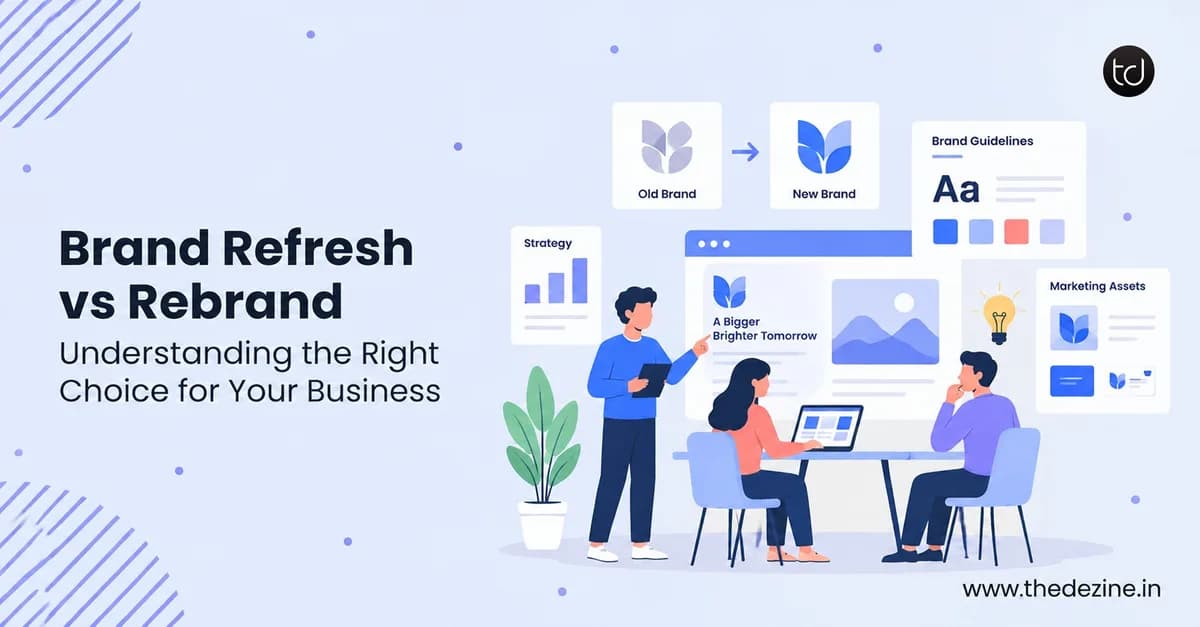
A brand is more than just a logo, colors, or design elements. It represents how customers recognize, trust, and connect with a business. As companies grow, enter new markets, or change their offerings, their existing brand identity may no longer represent their vision effectively.
At this stage, businesses often consider updating their brand. However, many companies are unsure whether they need a brand refresh or a complete rebrand. While both approaches help improve brand perception, they serve different purposes. A brand refresh focuses on improving and modernizing an existing identity, while a rebrand involves creating a completely new direction for the business.
Understanding the difference can help businesses choose the right strategy to strengthen their market presence.
What Is a Brand Refresh?
A brand refresh is the process of updating and improving an existing brand identity while keeping its core values and recognition intact.
It is suitable for businesses that already have brand awareness but need a modern appearance or clearer communication.
A brand refresh may include:
- Updating the logo design
- Improving brand colors
- Creating a modern visual style
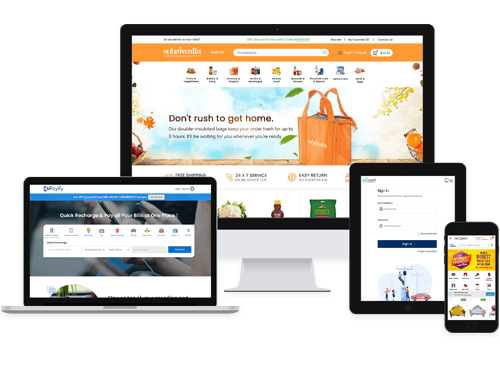
- Updating website design
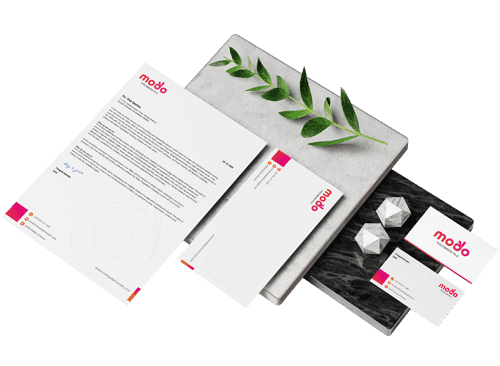
- Improving marketing materials
Refining brand messaging
The goal is not to completely change the brand but to make it more relevant, attractive, and aligned with current customer expectations.
For example, a company may have a strong reputation but an outdated website or inconsistent visual identity. A brand refresh can solve these issues while maintaining existing customer trust.
What Is a Rebrand?
A rebrand is a complete transformation of a company's identity, positioning, and market perception.
Businesses usually consider rebranding when their current identity no longer matches their goals, audience, or business direction.
A rebrand can involve:
- New brand strategy
- New positioning
- New messaging
- New visual identity
- New logo
- Updated customer experience
Unlike a brand refresh, rebranding focuses on creating a new perception of the business.
Companies may choose rebranding when:
- They enter a completely new market
- Their products or services have changed significantly
- They want to target a different audience
- Their current brand image feels outdated
- They need to differentiate from competitors
- Brand Refresh vs Rebrand: Key Differences
Level of Change
The biggest difference between a brand refresh and a rebrand is the level of transformation.
A brand refresh makes improvements while keeping the foundation unchanged.
A rebrand creates a new identity and changes how customers view the company.
Simply put:
- Brand refresh = Evolution
- Rebrand = Transformation
Business Goals
A brand refresh is ideal when the business is successful but needs modernization.
For example:
A company has a trusted name but its website, design style, and communication look outdated.
A rebrand is required when the business direction itself has changed.
For example:
A company that started as a small local service provider may rebrand when expanding into a larger national or global market.
Investment and Time
A brand refresh usually requires less time and investment because the existing brand foundation remains.
A complete rebrand requires more strategic planning, research, design work, and implementation because every customer touchpoint may need updates.
This includes:
- Website
- Social media platforms
- Packaging
- Marketing materials
- Business documents
- Digital platforms
- Signs Your Business Needs a Brand Refresh
Your business may benefit from a brand refresh if:
Your Brand Looks Outdated
Design trends change constantly. An outdated visual identity can make your business appear less competitive.
Refreshing your design system can help your brand look modern and professional.
Your Messaging Is Not Clear
Sometimes businesses grow, but their communication does not evolve.
A brand refresh can improve:
- Website content
- Brand voice
- Marketing messages
- Customer communication
This helps customers better understand your value.
Your Brand Identity Is Inconsistent
Many businesses use different designs across websites, social media, advertisements, and documents.
A refresh helps create consistency and builds stronger brand recognition.
Signs Your Business Needs a Rebrand
A complete rebrand may be necessary when:
Your Business Has Changed
If your services, target audience, or business model have changed significantly, your existing brand may no longer represent your company.
You Are Entering a New Market
Expanding into new industries or customer segments often requires a stronger and more relevant brand identity.
Customers Do Not Understand Your Position
If customers are confused about what your business offers or how you are different from competitors, a rebrand can help create clearer positioning.
Benefits of Updating Your Brand Identity
Whether you choose a brand refresh or rebrand, improving your brand identity can provide several benefits:
Stronger Customer Connection
A modern and meaningful brand helps customers connect emotionally with your business.
Better Market Position
A clear brand identity helps businesses stand apart from competitors.
Improved Customer Trust
Professional branding creates confidence and credibility.
Better Digital Presence
A refreshed website, social media presence, and marketing design improve online visibility.
How to Choose Between a Brand Refresh and Rebrand
Before making a decision, businesses should evaluate:
Current Brand Performance
Is your brand still recognized and trusted by customers?
Business Direction
Are you improving your existing services or moving in a completely new direction?
Customer Perception
How do customers currently view your brand?
Future Goals
Does your current identity support your long-term vision?
A strategic brand evaluation helps determine whether your business needs small improvements or a complete transformation.
Build a Stronger Brand for the Future
Your brand should grow as your business grows. Whether you need a simple visual update or a complete identity transformation, the right branding strategy can help your business communicate better and connect with customers.
A successful brand is not only about attractive visuals. It combines strategy, design, messaging, and customer experience to create a strong market presence.
At The Dezine, we help businesses create impactful digital experiences through branding, UI/UX design, website development, and custom digital solutions. By understanding business goals and customer expectations, we create brand identities that are modern, meaningful, and built for long-term growth.